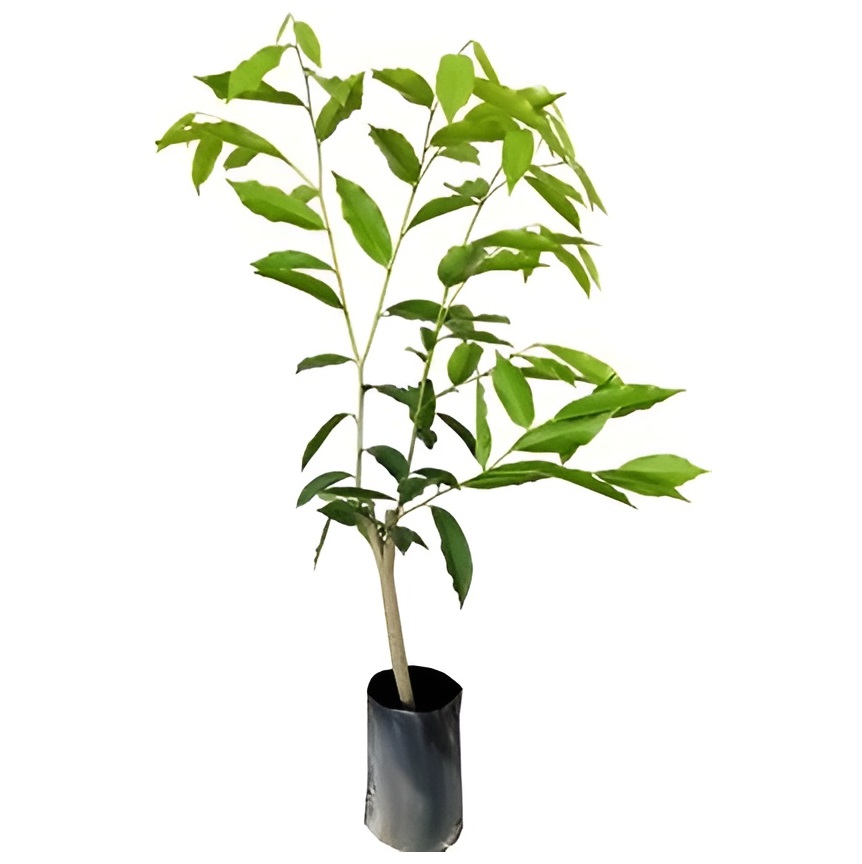
Description
The heartwood of Aquilaria trees when they become Infected with a type of mold (Phialophora Parasitica). Prior to infection, the heartwood is odourless, relatively light and pale coloured; however, as the infection progresses, the tree produces a dark aromatic resin, called aloes (not to be confused with Aloe ferox, the succulent commonly known as the bitter aloe)
Or agar (not to be confused with the edible, algae- derived agar) as well as gaharu, jinko, oud, or oodh aguru (not to be confused with bukhoor), in response to the attack, results in a very dense, dark, resin-embedded heartwood. The resin –embedded wood is valued in Indian –Northwood. The resin –embedded wood is valued in Indian –North Eastern culture for its distinctive fragrance, and thus is used for incense and perfumes. Ins name is believed to have first and foremost a Sanskrit origin, formed from ‘Aguru’. The aromatic qualities of agarwood are influenced by the species, geographic location, its branch, trunk and root origin, length of time since infection, and methods of harvesting and processing.
Reviews
There are no reviews yet.